

News
Service
Contact
- Sales Manager:
136 9193 8340 Regional Managers (Southwest, South , East)
133 1685 3282 Regional Manager (Central China)
153 3876 1408 Regional Manager (Northwest)
134 1062 9251 Regional Manager (North China, Northeast)
- OEM:
134 1062 9251 Regional Manager
Pakistan Considers Developing a National Policy on Renewable Energy
Time:2019-04-13 Clicks:
1487
According to reports, Pakistan's target for power mix by 2030 has been approved, with 30% of large hydropower projects and 30% from photovoltaic, wind and other renewable energy projects.

The World Wind Energy Association said this week that the Energy Committee of the Pakistani Government Cabinet will formally consider formulating a national policy on renewable energy to achieve the dual goals.
Omar Ayub Khan, Pakistan's electricity minister, met with Jean-Fran? OIS Cautain, the EU ambassador to Pakistan, and a month later set the legislative process for the 2030 target. Cautain's tweet said, "This goal is in full compliance with the Paris Accord and is impressive."
In recent years, people in Pakistan have increased the proportion of renewable energy projects, the current figure is 4%. Stefan Gs? Nger, secretary-general of the World Wind Energy Association, said this week that this highly praised goal will not only ensure reliable and safe domestic electricity supply, but also help to meet the "major challenge" of rising prices in Pakistan.
In October last year, Pakistan's Alternative Energy Development Commission released a comment through The Express Tribute that the 30% target was the "only viable" strategy to avoid the power crisis caused by excessive reliance on fast-decelerating natural gas reserves. As far as the Chamber of Commerce and Industry of Islamabad is concerned, the Chamber of Commerce and Industry hopes to introduce an economic case to promote renewable energy projects within the same month.
Photovoltaic power grid parity Era
Legislative debates on clean energy targets have found that Pakistan's solar industry is growing.
This week, the International Renewable Energy Agency's annual update ranked Pakistan as a bright spot in the photovoltaic industry. This year's figures marked the increase in photovoltaic data from 100 MW in 2015 to 400 MW in 2016 by the Pakistan Alternative Energy Development Commission.
Over the years, the Committee has supported the development of the project by promoting tax exemption for solar energy technology, standardizing documents and providing technical assistance to provincial governments. The Commission also subsidizes IPP through a coordinated plan with NEPRA, Pakistan's electricity regulator, and encourages other more market-oriented investment models.
With the decrease of technology cost, the photovoltaic industry is expected to grow further, pushing photovoltaic projects to the edge of grid parity. In the past year alone, new projects have included 400 MW photovoltaic projects supported by the World Bank in Sindh, 100 MWduo in Siddiqsons, 50 MW in ENERTECH and 49.5 MW in Aasal.
Meanwhile, Bakista is working to foster a solar manufacturing ecosystem, and ACT Group and others announced plans to build a 1GW photovoltaic module plant. Manufacturers welcomed the five-year tax exemption resolution adopted earlier in 2019, and called on the government to consider other incentives.

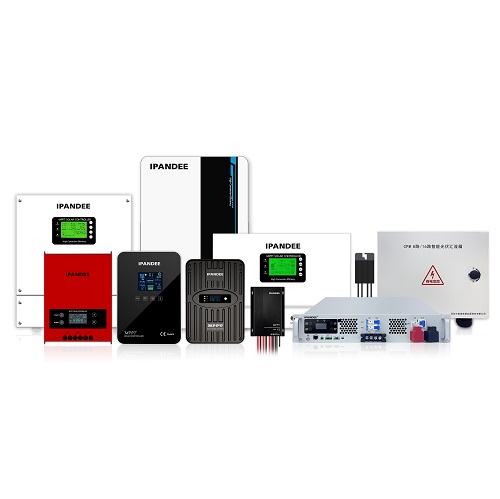
We are a national key high-tech enterprise specializing in MPPT controller, inverters, UPS, solar energy, wind energy and other energy products, which integrates R&D, production, sales and service. The main products include industrial MPPT solar controller, solar inverters, solar power generation system, UPS and other energy products. It is a professional first-class manufacturer of MPPT controllers in China.
Disclaimer: Part of the content comes from the Internet. In order to convey more information, it does not mean agreeing with its views or confirming its description. The content of the article is for reference only. If there is any infringement, please contact in time.
The World Wind Energy Association said this week that the Energy Committee of the Pakistani Government Cabinet will formally consider formulating a national policy on renewable energy to achieve the dual goals.
Omar Ayub Khan, Pakistan's electricity minister, met with Jean-Fran? OIS Cautain, the EU ambassador to Pakistan, and a month later set the legislative process for the 2030 target. Cautain's tweet said, "This goal is in full compliance with the Paris Accord and is impressive."
In recent years, people in Pakistan have increased the proportion of renewable energy projects, the current figure is 4%. Stefan Gs? Nger, secretary-general of the World Wind Energy Association, said this week that this highly praised goal will not only ensure reliable and safe domestic electricity supply, but also help to meet the "major challenge" of rising prices in Pakistan.
In October last year, Pakistan's Alternative Energy Development Commission released a comment through The Express Tribute that the 30% target was the "only viable" strategy to avoid the power crisis caused by excessive reliance on fast-decelerating natural gas reserves. As far as the Chamber of Commerce and Industry of Islamabad is concerned, the Chamber of Commerce and Industry hopes to introduce an economic case to promote renewable energy projects within the same month.

Photovoltaic power grid parity Era
Legislative debates on clean energy targets have found that Pakistan's solar industry is growing.
This week, the International Renewable Energy Agency's annual update ranked Pakistan as a bright spot in the photovoltaic industry. This year's figures marked the increase in photovoltaic data from 100 MW in 2015 to 400 MW in 2016 by the Pakistan Alternative Energy Development Commission.
Over the years, the Committee has supported the development of the project by promoting tax exemption for solar energy technology, standardizing documents and providing technical assistance to provincial governments. The Commission also subsidizes IPP through a coordinated plan with NEPRA, Pakistan's electricity regulator, and encourages other more market-oriented investment models.
With the decrease of technology cost, the photovoltaic industry is expected to grow further, pushing photovoltaic projects to the edge of grid parity. In the past year alone, new projects have included 400 MW photovoltaic projects supported by the World Bank in Sindh, 100 MWduo in Siddiqsons, 50 MW in ENERTECH and 49.5 MW in Aasal.
Meanwhile, Bakista is working to foster a solar manufacturing ecosystem, and ACT Group and others announced plans to build a 1GW photovoltaic module plant. Manufacturers welcomed the five-year tax exemption resolution adopted earlier in 2019, and called on the government to consider other incentives.
We are a national key high-tech enterprise specializing in MPPT controller, inverters, UPS, solar energy, wind energy and other energy products, which integrates R&D, production, sales and service. The main products include industrial MPPT solar controller, solar inverters, solar power generation system, UPS and other energy products. It is a professional first-class manufacturer of MPPT controllers in China.
Disclaimer: Part of the content comes from the Internet. In order to convey more information, it does not mean agreeing with its views or confirming its description. The content of the article is for reference only. If there is any infringement, please contact in time.
Prev:The Dutch floating photovoltaic project will be planned for development
Next:Virtual Power Plant Test by Australian Operators